

Maximizing Yields and Profits with Smart Soil Testing and Nutrient Management
Precision Soil Sensors: Turning Data into Dollars
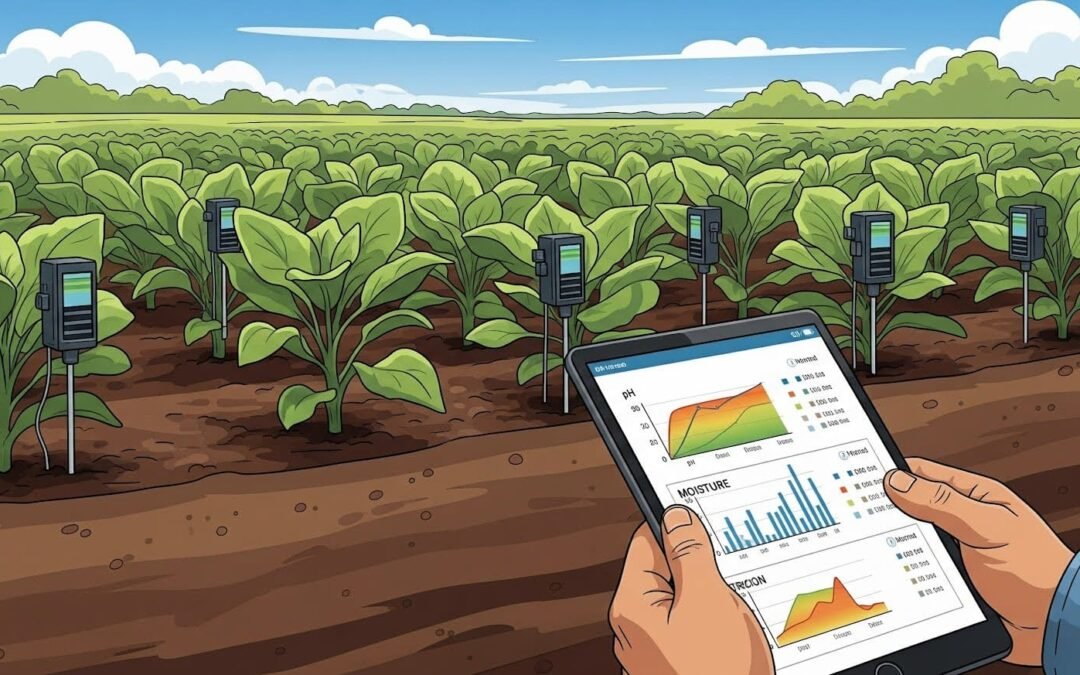
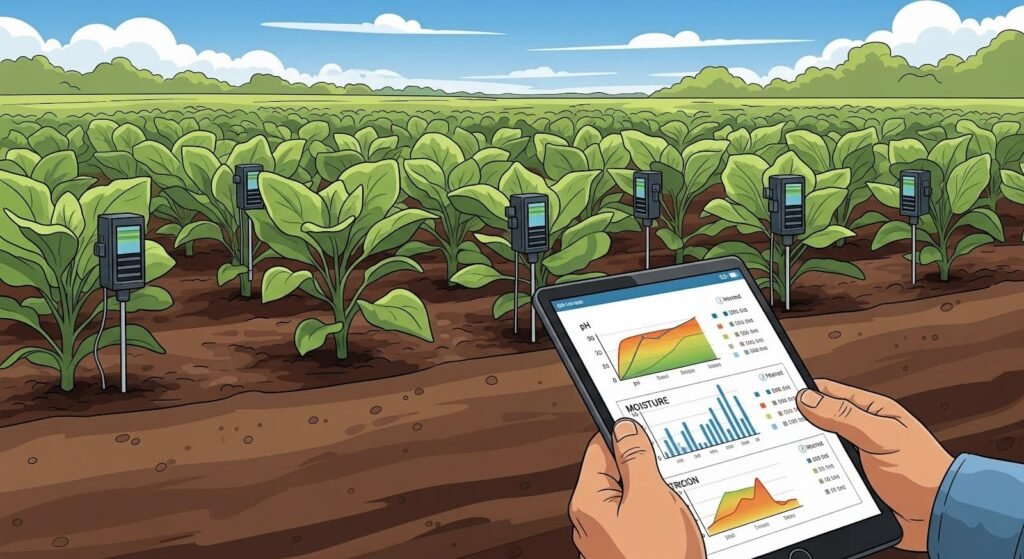
Modern agronomy is awash with data—and nowhere is that more evident than in soil testing. High‑precision pH sensors now deliver real‑time measurements with ±0.05 accuracy, allowing you to fine‑tune lime and fertilizer applications. Studies show that using pH sensors for precise nutrient management can increase crop yields by up to 20 %. Soil moisture sensors add another layer of insight; by optimizing irrigation and nutrient timing they deliver yield improvements of 10–20 % and reduce water usage by 20–40 %. Variable Rate Fertilizer Application (VRFA) takes these data streams further, dividing fields into management zones and applying nutrients where they’re needed most. Trials in Western Canada reported a 50 % increase in total crop production over ten years and a 17 % bump in corn yields compared with uniform fertilization. Overall, VRFA can cut fertilizer costs by up to 20 % while raising yields by about 10 %. Sensor‑based nitrogen algorithms like Oklahoma State’s SBNRC reduce nitrogen use by 28 lbs per acre per year without sacrificing yields, proving that efficiency and profit go hand in hand.
AI‑Driven Operations and Sales
The real power of soil testing emerges when sensor data flows into AI platforms. Farm management software integrates soil pH, moisture, and nutrient readings with weather forecasts and satellite imagery to compute variable‑rate scripts for seeds and fertilizers, and to guide irrigation. Predictive models not only reduce input costs but also increase yields. AI assistants like AgriCompanion let managers ask natural‑language questions (“How much nitrogen does Field 12 need this week?”) and receive actionable recommendations. They automatically assign tasks based on worker skills, monitor progress and update resource allocations, reducing manual effort and improving labor efficiency. For sellers of sensors and nutrient‑management platforms, AI turns usage data into a goldmine: sales teams can identify high‑ROI prospects based on crop type and soil conditions; marketing can highlight case studies with quantifiable yield increases and cost savings; operations can forecast sensor demand by analyzing regional weather and cropping patterns; and customer success teams can deliver proactive maintenance and personalized ROI reports. Subscription‑based models with AI‑driven support also build recurring revenue and long‑term customer loyalty.
Turning Insights into Profit
To capture these profits, integrate your soil sensors with an AI‑enabled farm management platform. Use variable‑rate maps to apply nutrients and irrigation with pinpoint precision. Leverage AI dashboards to forecast yields and adjust marketing and sales strategies. Encourage customers to share their success stories, and use those metrics to refine your product offerings. With sensors, AI and VRFA working together, every pound of fertilizer and every gallon of water becomes an investment in higher yields and bigger margins.