

Rethinking the Route from Farm to Fork
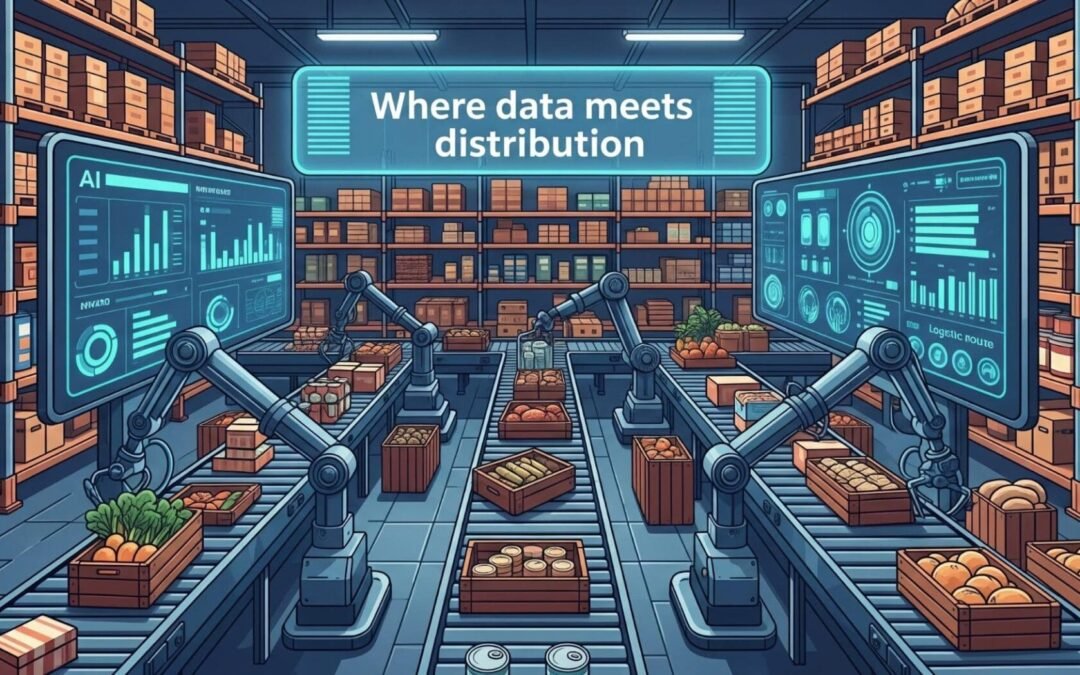
Modern food systems are marvels of coordination, but they are also fraught with inefficiencies. From spoilage and overproduction to transportation delays and misaligned demand, traditional supply chains often bleed value. AI is stepping in as a transformative force—not just automating logistics, but intelligently optimizing them in real time.
By analyzing weather patterns, traffic conditions, sales trends, and sensor data, AI platforms can predict disruptions before they happen and redirect resources to minimize waste. This isn’t just smart—it’s strategic.
Efficiency Where It Counts
Retailers and distributors using AI are seeing impressive gains: reduced inventory loss, improved delivery timelines, and better demand forecasting. For perishable goods, predictive analytics can mean the difference between peak freshness and costly spoilage.
From route optimization for transport fleets to dynamic restocking algorithms, AI brings visibility and control to every node in the chain. And with tighter margins across the food industry, that level of precision isn’t a luxury—it’s a competitive necessity.