

AI Agents, Automation and AI Employees
  • Home
  • Solutions
  • Case Studies
  • Blog
  • Contact
  • Book Free AI Plan
Select Page
Soil to Soul: AI-Enhanced Nutrition in Regenerative Food Systems

Soil to Soul: AI-Enhanced Nutrition in Regenerative Food Systems

by forrist | Oct 31, 2025 | CPG Food

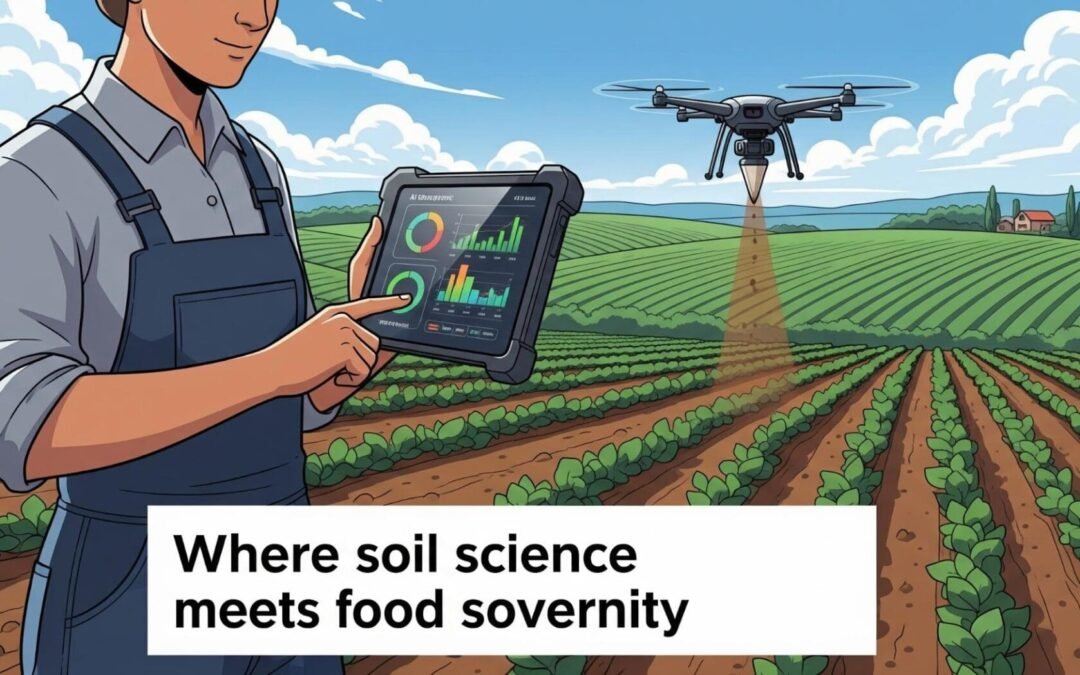
Connecting Health from the Ground Up Nutrition begins in the soil. Healthy ecosystems yield nutrient-rich crops, and nutrient-rich crops nourish thriving communities. Regenerative food systems prioritize this full-circle connection—and AI is increasingly being used to...
Resilient Crops, Resilient Communities: AI and Climate-Responsive Farming

Resilient Crops, Resilient Communities: AI and Climate-Responsive Farming

by forrist | Oct 31, 2025 | CPG Food

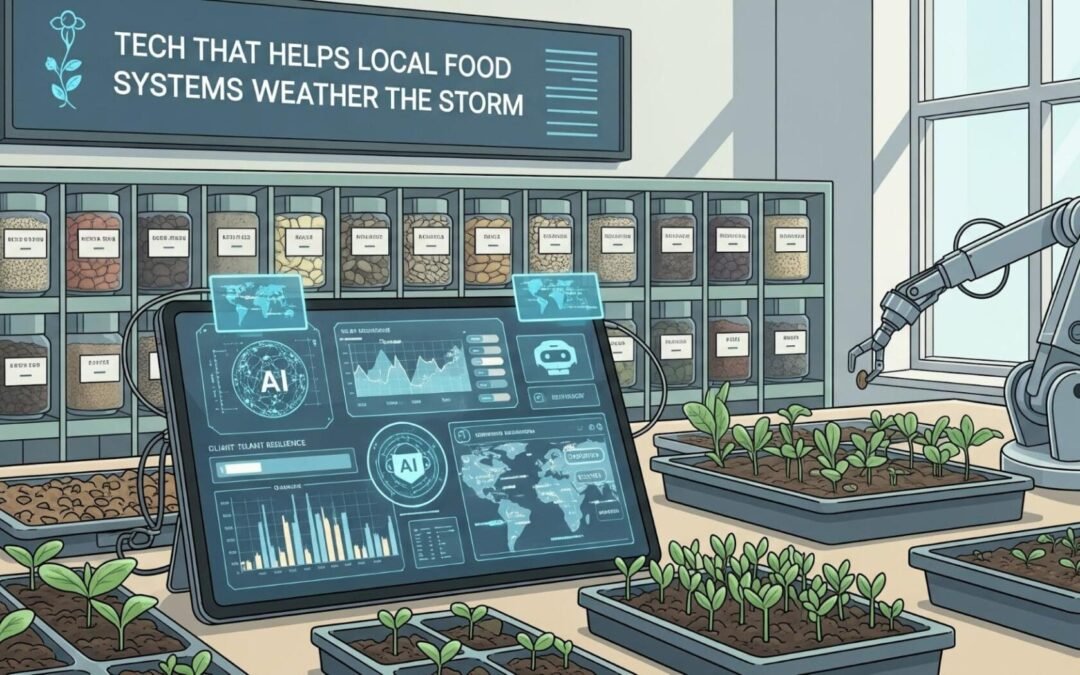
Farming in an Uncertain Climate As weather patterns shift and extreme events become more frequent, food producers face new levels of unpredictability. For small and mid-scale farmers, building resilience is no longer optional—it’s survival. AI, when aligned with...
Community-First Farming: Tech That Respects Land and People

Community-First Farming: Tech That Respects Land and People

by forrist | Oct 31, 2025 | CPG Food

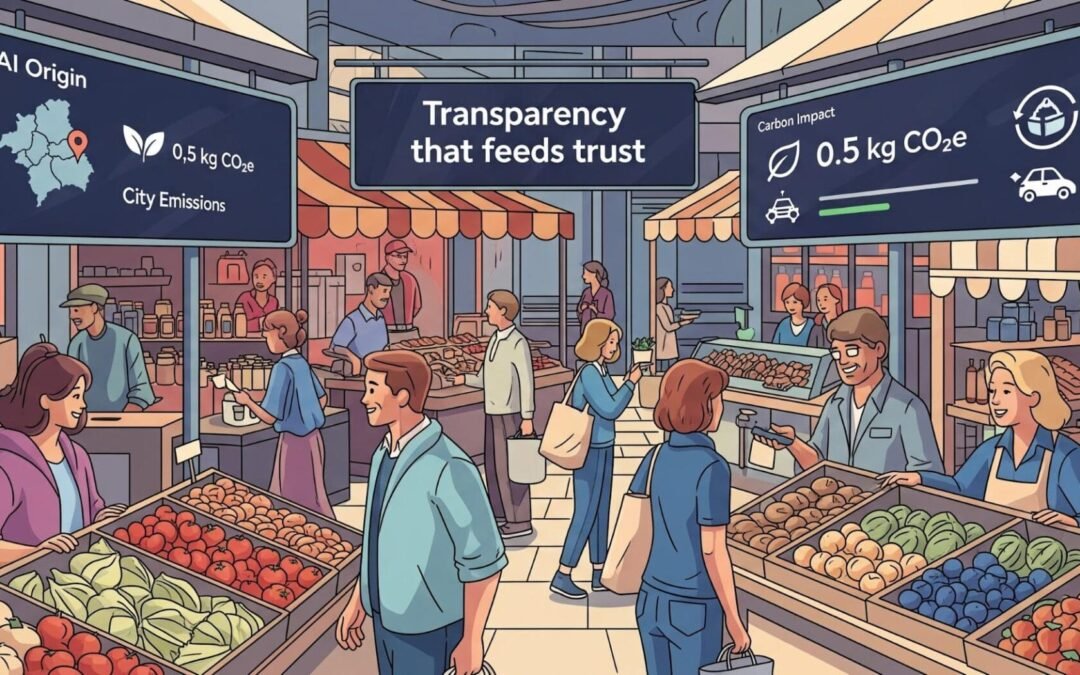
Farming Built on Trust and Place Across many cultures, land is not just a resource—it’s a relationship. Community-first farming honors this truth by placing human and ecological wellbeing at the center of agriculture. While AI is often seen as detached from these...
Feeding People, Not Profits: Ethical AI for Sustainable Food Futures

Feeding People, Not Profits: Ethical AI for Sustainable Food Futures

by forrist | Oct 31, 2025 | CPG Food

Prioritizing Nourishment Over Margins In a global food system increasingly shaped by efficiency and scale, ethical concerns often take a back seat to quarterly profits. Yet, the most sustainable food systems are those that prioritize people and planet alongside...
AI for Agroecology: How Tech Supports Local and Organic Practices

AI for Agroecology: How Tech Supports Local and Organic Practices

by forrist | Oct 31, 2025 | CPG Food

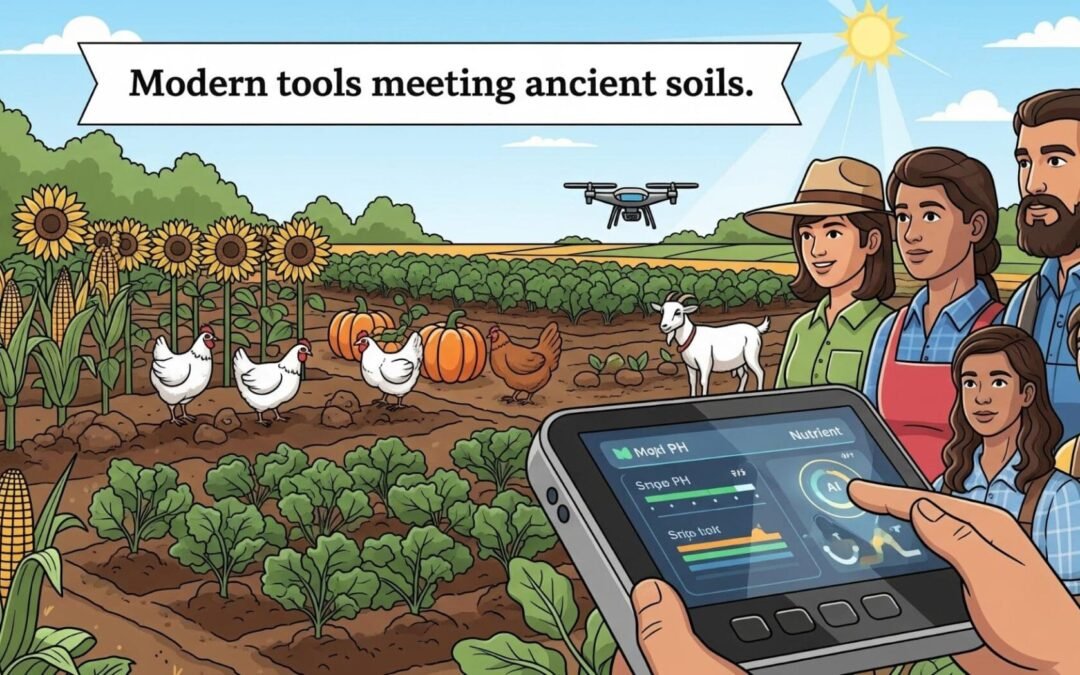
Farming with the Earth, Not Against It Agroecology is more than a method—it’s a movement rooted in health, ecology, and justice. By emphasizing biodiversity, soil vitality, and community knowledge, agroecological practices provide an alternative to industrial...
AI in Packaging and Logistics: Smarter Moves from Plant to Palate

AI in Packaging and Logistics: Smarter Moves from Plant to Palate

by forrist | Oct 31, 2025 | CPG Food

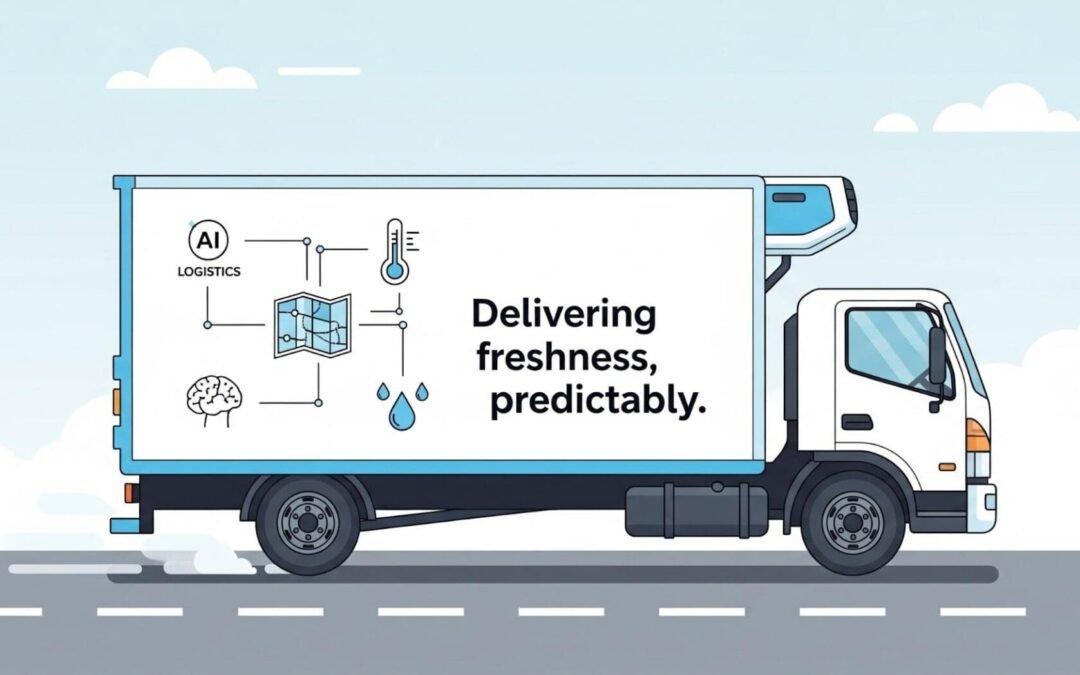
Packaging That Performs In the food industry, packaging and logistics are more than the final steps—they’re strategic touchpoints that influence freshness, branding, cost, and sustainability. AI is helping manufacturers and distributors streamline these stages,...
« Older Entries
Next Entries »
Get More Done Together With Us

Lorem ipsum dolor sit amet, consecterur adipiscing elit.

Get Started

© Planetary CARE · Sponsored by Earth First Living 501(c)3 – id: 77-0374848

  • Privacy Policy
  • Cookie Policy
  • Terms & Conditions
×

Solar-Powered Rehabilitation: Santa Rita Jail's Agrivoltaic Garden

Inmates Cultivate Crops and Skills in a Sustainable Agrivoltaic Garden

Santa Rita Jail's Innovative Agrivoltaic Project

Santa Rita Jail in California has taken an innovative approach to sustainability and rehabilitation by implementing an agrivoltaic garden. In this groundbreaking project, inmates cultivate crops beneath solar panels, demonstrating the potential for agrivoltaics to contribute to sustainable agriculture, skills development, and social innovation.

Sustainable Agriculture and Skills Development

The agrivoltaic garden at Santa Rita Jail not only generates clean, renewable energy but also provides a valuable opportunity for inmates to learn about sustainable agriculture practices. By working in the garden, inmates acquire valuable skills and knowledge that can be applied upon their release, helping them reintegrate into society and find gainful employment.

Social Innovation and Community Impact

The Santa Rita Jail blending of solar and food garden has far-reaching social impacts. The produce grown in the garden is used to feed inmates, reducing the facility's reliance on external food supplies and minimizing its environmental footprint. Additionally, the project promotes environmental awareness and fosters a sense of purpose among the inmates, contributing to their rehabilitation and personal growth.

A Model for Sustainable and Socially Innovative Solutions

The success of Santa Rita Jail's agrivoltaic garden serves as a powerful example of how combining solar with agriculture can be used to create sustainable and socially innovative solutions. By combining renewable energy production with sustainable agriculture and skills development, this pioneering project showcases the transformative potential of agrivoltaics in addressing environmental and social challenges.

Agrivoltaics: A Pathway to a Greener, More Inclusive Future

Santa Rita Jail's agrivoltaic garden demonstrates that agrivoltaics has the potential to drive sustainable agriculture, skills development, and social innovation. This inspiring project highlights the role that agrivoltaics can play in creating a greener, more inclusive future for all.

×

Fraunhofer Institute's Pioneering Agrophotovoltaics Project: Doubling Land-Use Efficiency in Germany

Combining Solar Energy and Agriculture for a Sustainable Future

As the world faces the growing pressures of climate change and food security, researchers are seeking innovative ways to improve land-use efficiency and reduce water consumption in agriculture. Germany's Fraunhofer Institute has risen to this challenge with their groundbreaking agrophotovoltaics project.

The Fraunhofer Institute has developed an agrophotovoltaics project that combines solar energy generation with agriculture. By installing solar panels above crop fields, they have created a system that allows for simultaneous energy production and agriculture, leading to increased land-use efficiency and reduced water consumption.

The project has demonstrated impressive results, with land-use efficiency doubling in the test fields. Crops grown under the solar panels experienced less water stress due to the partial shading provided by the panels, leading to reduced water consumption. Additionally, the solar panels generated clean energy, further contributing to the environmental benefits of the project.

The success of the Fraunhofer Institute's agrophotovoltaics project has generated interest from researchers and policymakers around the world. By demonstrating the potential of this innovative approach, they have inspired others to explore the possibilities of combining solar energy generation with agriculture to create more sustainable and efficient land-use practices.

The Fraunhofer Institute's agrophotovoltaics project is a prime example of the kind of innovation needed to address global challenges related to climate change, food security, and sustainable energy. As more research institutions, governments, and farmers adopt and refine agrophotovoltaic techniques, the future of agriculture and energy production will become increasingly intertwined, paving the way for a more sustainable and resource-efficient world.