
AI Agents, Automation and AI Employees
  • Home
  • Solutions
  • Case Studies
  • Blog
  • Contact
  • Book Free AI Plan
Select Page
Preventive Precision: AI-Driven Reliability in Modern Energy Systems

Preventive Precision: AI-Driven Reliability in Modern Energy Systems

by forrist | Oct 31, 2025 | E-O1, Energy

Turning Reliability into a Strategic Asset System reliability is no longer just an engineering goal—it’s a business imperative. As demand surges and the energy grid grows increasingly complex, companies are turning to AI not only to monitor systems, but to anticipate...

Predictive Power: How AI Prevents Downtime and Drives Energy Innovation

by forrist | Oct 31, 2025 | E-O1, Energy

Seeing Trouble Before It Strikes Downtime is the enemy of efficiency, and in the energy industry, even a brief interruption can mean significant financial and reputational costs. That’s where predictive AI steps in—analyzing sensor data, identifying anomalies, and...
From Grid to Great: How AI Is Powering the Energy Sector’s Efficiency Revolution

From Grid to Great: How AI Is Powering the Energy Sector’s Efficiency Revolution

by forrist | Oct 31, 2025 | E-O1, Energy

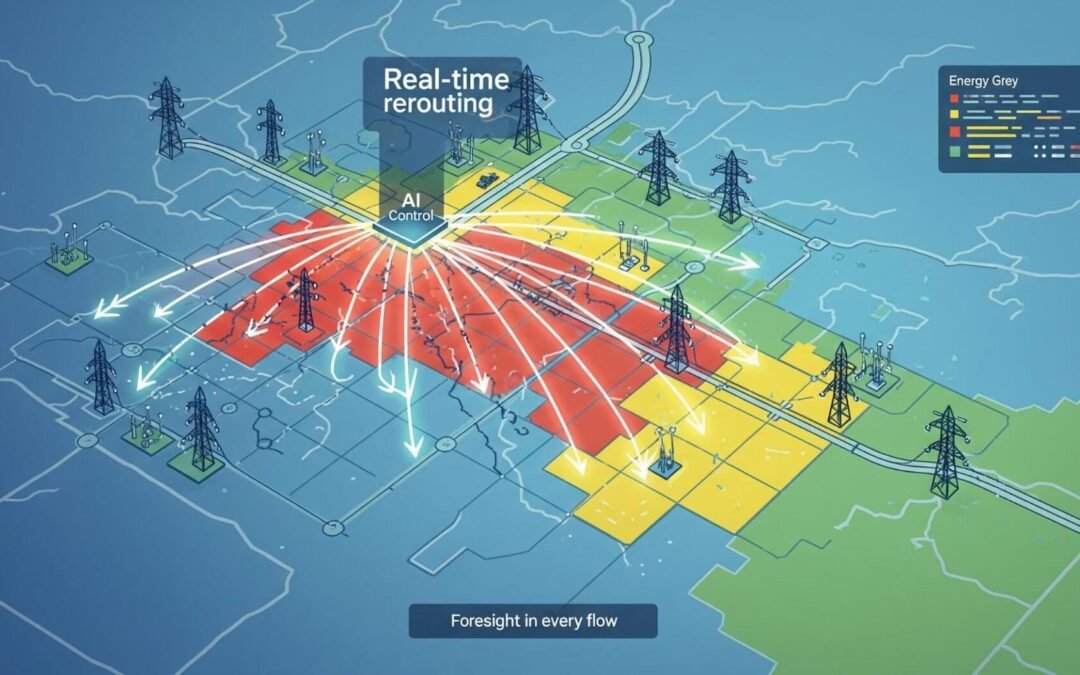
Transforming the Grid, One Algorithm at a Time The energy grid is undergoing a transformation, and AI is at the center of its evolution. No longer just a passive infrastructure, the grid is becoming an intelligent, adaptive system capable of responding in real-time to...
AI in Energy: Maximizing Output While Slashing Costs

AI in Energy: Maximizing Output While Slashing Costs

by forrist | Oct 31, 2025 | E-O1, Energy

Where Margins Meet Megawatts In a sector where every kilowatt counts, efficiency isn’t just a metric—it’s a mandate. Artificial intelligence has emerged as a key force in helping energy companies reduce operational costs while increasing system...
Smart Energy, Smart Profits: AI Use Cases That Deliver ROI.

Smart Energy, Smart Profits: AI Use Cases That Deliver ROI.

by forrist | Oct 30, 2025 | E-O1, Energy

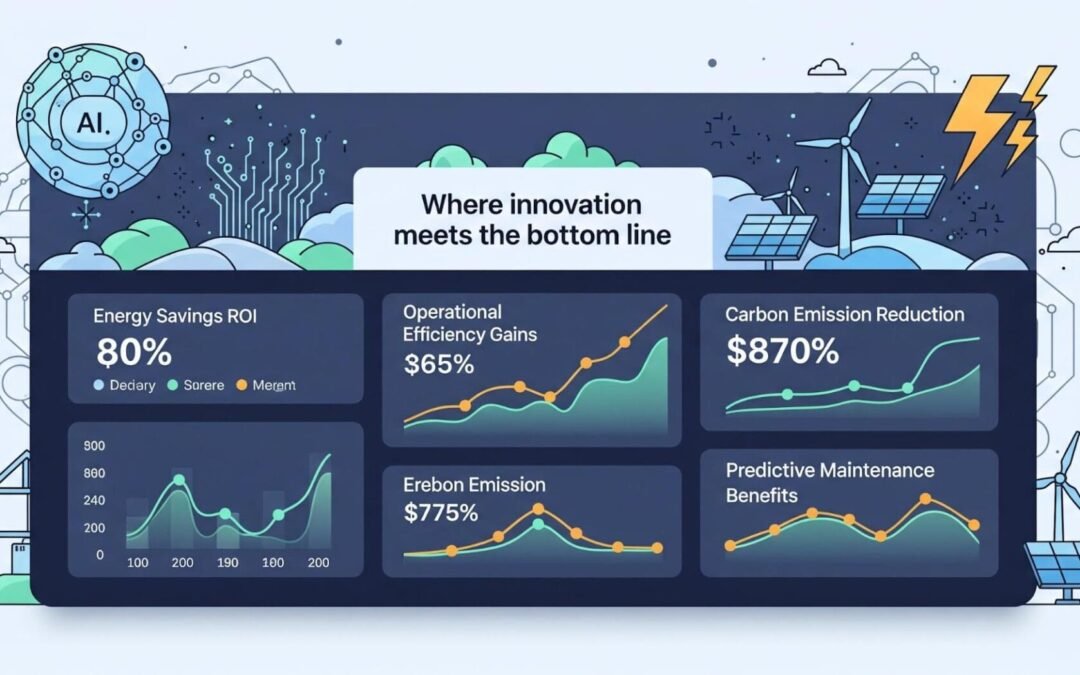
 AI is rapidly becoming a cornerstone of innovation in the energy sector. As utilities and energy companies grapple with tightening margins, increasing demand, and complex infrastructure, AI offers a path to smarter, leaner operations. From production forecasting to...
Get More Done Together With Us

Lorem ipsum dolor sit amet, consecterur adipiscing elit.

Get Started

© Planetary CARE · Sponsored by Earth First Living 501(c)3 – id: 77-0374848

  • Privacy Policy
  • Cookie Policy
  • Terms & Conditions
×

Solar-Powered Rehabilitation: Santa Rita Jail's Agrivoltaic Garden

Inmates Cultivate Crops and Skills in a Sustainable Agrivoltaic Garden

Santa Rita Jail's Innovative Agrivoltaic Project

Santa Rita Jail in California has taken an innovative approach to sustainability and rehabilitation by implementing an agrivoltaic garden. In this groundbreaking project, inmates cultivate crops beneath solar panels, demonstrating the potential for agrivoltaics to contribute to sustainable agriculture, skills development, and social innovation.

Sustainable Agriculture and Skills Development

The agrivoltaic garden at Santa Rita Jail not only generates clean, renewable energy but also provides a valuable opportunity for inmates to learn about sustainable agriculture practices. By working in the garden, inmates acquire valuable skills and knowledge that can be applied upon their release, helping them reintegrate into society and find gainful employment.

Social Innovation and Community Impact

The Santa Rita Jail blending of solar and food garden has far-reaching social impacts. The produce grown in the garden is used to feed inmates, reducing the facility's reliance on external food supplies and minimizing its environmental footprint. Additionally, the project promotes environmental awareness and fosters a sense of purpose among the inmates, contributing to their rehabilitation and personal growth.

A Model for Sustainable and Socially Innovative Solutions

The success of Santa Rita Jail's agrivoltaic garden serves as a powerful example of how combining solar with agriculture can be used to create sustainable and socially innovative solutions. By combining renewable energy production with sustainable agriculture and skills development, this pioneering project showcases the transformative potential of agrivoltaics in addressing environmental and social challenges.

Agrivoltaics: A Pathway to a Greener, More Inclusive Future

Santa Rita Jail's agrivoltaic garden demonstrates that agrivoltaics has the potential to drive sustainable agriculture, skills development, and social innovation. This inspiring project highlights the role that agrivoltaics can play in creating a greener, more inclusive future for all.

×

Fraunhofer Institute's Pioneering Agrophotovoltaics Project: Doubling Land-Use Efficiency in Germany

Combining Solar Energy and Agriculture for a Sustainable Future

As the world faces the growing pressures of climate change and food security, researchers are seeking innovative ways to improve land-use efficiency and reduce water consumption in agriculture. Germany's Fraunhofer Institute has risen to this challenge with their groundbreaking agrophotovoltaics project.

The Fraunhofer Institute has developed an agrophotovoltaics project that combines solar energy generation with agriculture. By installing solar panels above crop fields, they have created a system that allows for simultaneous energy production and agriculture, leading to increased land-use efficiency and reduced water consumption.

The project has demonstrated impressive results, with land-use efficiency doubling in the test fields. Crops grown under the solar panels experienced less water stress due to the partial shading provided by the panels, leading to reduced water consumption. Additionally, the solar panels generated clean energy, further contributing to the environmental benefits of the project.

The success of the Fraunhofer Institute's agrophotovoltaics project has generated interest from researchers and policymakers around the world. By demonstrating the potential of this innovative approach, they have inspired others to explore the possibilities of combining solar energy generation with agriculture to create more sustainable and efficient land-use practices.

The Fraunhofer Institute's agrophotovoltaics project is a prime example of the kind of innovation needed to address global challenges related to climate change, food security, and sustainable energy. As more research institutions, governments, and farmers adopt and refine agrophotovoltaic techniques, the future of agriculture and energy production will become increasingly intertwined, paving the way for a more sustainable and resource-efficient world.